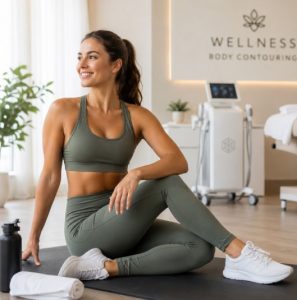
 Non-surgical body contouring treatments are popular for refining body shape without surgery or long recovery times. Modern beauty and wellness clinics now offer a wide range of body-contouring services designed to target stubborn fat, improve muscle tone and appearance, and support body confidence. Many people exploring non-surgical aesthetic treatments in Pensacola are also looking for realistic, long-term wellness solutions rather than quick fixes alone. However, many providers emphasize an important point from the outset: body contouring treatments work best when combined with a healthy, active lifestyle.
Non-surgical procedures are not meant to replace exercise, balanced nutrition, or long-term wellness habits. Instead, they are often used to complement the efforts people are already making. For many clients, staying physically active plays a major role in maintaining body-contouring results over time.
What Is Non-Surgical Body Contouring?
Non-surgical body contouring refers to cosmetic treatments that aim to reduce stubborn fat or improve body shape without invasive surgery. Unlike traditional liposuction, these treatments usually involve minimal downtime and less recovery.
Common non-surgical body contouring treatments include:
- Cryolipolysis (fat freezing)
- Radiofrequency treatments
- Laser fat reduction
- Ultrasound-based procedures
- Electromagnetic muscle stimulation
These treatments are commonly used on areas such as:
- Abdomen
- Thighs
- Arms
- Flanks
- Chin area
Most beauty and wellness clinics describe these services as body-sculpting or contouring treatments rather than as major weight-loss solutions. The goal is often to help refine areas that may remain resistant despite healthy lifestyle efforts.
Why Physical Activity Matters
An active lifestyle supports overall health in many ways. Regular movement may help improve:
- Muscle tone
- Energy levels
- Circulation
- Metabolism
- Stress management
- Weight maintenance
These factors can also influence how clients feel about their body contouring results. While non-surgical treatments may help reduce targeted fat areas, long-term maintenance still depends heavily on daily habits. Clients who remain physically active after treatment are often better positioned to maintain stable body composition and support their overall wellness goals.
Supporting Long-Term Results
One reason providers encourage exercise after body contouring treatments is consistency. Even after successful fat-reduction procedures, future weight gain can still affect both untreated and treated areas.
An active lifestyle may help individuals maintain their results more effectively over time.
This does not mean clients need intense workout routines.
Many wellness professionals encourage realistic forms of physical activity, such as:
- Walking
- Strength training
- Yoga
- Swimming
- Cycling
- Pilates
- Group fitness classes
The goal is long-term consistency rather than perfection. Clients who build sustainable activity habits often report feeling more motivated to continue caring for their health after aesthetic treatments.
Exercise and Muscle Tone
Some body contouring treatments focus not only on fat reduction but also on enhancing muscle definition. For example, electromagnetic muscle stimulation technologies are designed to create muscle contractions that may help support muscle tone.
However, professional providers generally explain that these treatments work best alongside regular exercise. Strength training and physical activity naturally help maintain muscle health. Combining exercise with body contouring services may contribute to:
- Better posture
- Improved body composition
- Increased strength
- Enhanced definition
Many beauty and wellness clinics now promote a more complete wellness approach that combines aesthetic treatments with healthy lifestyle support.
The Connection Between Wellness and Confidence
Body contouring treatments are often connected to confidence goals. Many clients seek these services after already making significant lifestyle changes. For example, someone may improve their nutrition and exercise routine but still feel frustrated by stubborn areas that have not changed.
Non-surgical treatments may help refine these areas while physical activity supports overall wellness and maintenance. Clients who stay active often report benefits beyond appearance, including:
- Better mood
- Reduced stress
- Increased confidence
- Higher energy levels
- Improved motivation
This combination of wellness and aesthetic support reflects the growing shift toward holistic beauty services. Modern beauty companies increasingly focus on helping clients feel healthier overall instead of chasing unrealistic beauty standards.
Stress Management and Recovery
Exercise and movement can also support emotional well-being. Stress is often connected to sleep quality, eating habits, and overall wellness.
Activities such as yoga, walking, stretching, or moderate exercise may help support healthier routines and emotional balance. Many wellness-focused med spas now encourage self-care habits that go beyond cosmetic treatments alone.
Some clinics even combine body contouring services with:
- Wellness coaching
- Nutritional support
- Recovery therapies
- Stretching programs
- Mindfulness services
This more balanced approach encourages clients to view body contouring as one part of a larger wellness plan.
Healthy Eating Still Matters
Physical activity works best when combined with balanced nutrition. Many body contouring providers explain that non-surgical fat reduction treatments cannot fully offset unhealthy habits. Maintaining stable weight and healthy body composition usually requires attention to:
- Protein intake
- Hydration
- Portion balance
- Fiber-rich foods
- Consistent eating habits
Modern medical wellness clinics often avoid promoting extreme dieting. Instead, many focus on sustainable habits that clients can realistically maintain. Balanced nutrition combined with regular activity may help clients feel better physically while supporting long-term contouring results.
Realistic Expectations Are Important
Although non-surgical body contouring treatments can provide visible improvements for some individuals, realistic expectations are essential.
These treatments are generally intended for body shaping rather than dramatic weight loss. Results vary depending on factors such as:
- Body composition
- Treatment type
- Lifestyle habits
- Activity level
- Individual metabolism
Professional providers usually explain that healthy lifestyle habits remain one of the most important factors in maintaining results. Clients who expect body contouring to completely replace exercise or nutrition changes may feel disappointed. The best outcomes often happen when treatments are viewed as supportive tools rather than quick fixes.
Why Modern Beauty Clinics Focus on Wellness
The beauty industry has shifted significantly in recent years. Many med spas and aesthetic clinics now emphasize wellness-centered care rather than focusing solely on appearance. Clients increasingly want treatments that support:
- Confidence
- Physical wellness
- Sustainable habits
- Self-care
- Long-term balance
Because of this, many beauty companies now integrate body-contouring services into broader wellness programs. This may include:
- Fitness guidance
- Nutritional consultations
- Weight management support
- Recovery services
- Wellness education
The goal is often to help clients create healthier routines while improving body confidence in a balanced and realistic way.
Choosing the Right Provider
Anyone considering non-surgical body contouring should choose a qualified and experienced provider. A responsible clinic should provide:
- Personalized consultations
- Honest expectations
- Safe treatment options
- Professional supervision
- Long-term wellness guidance
Providers should also discuss how physical activity and lifestyle habits may influence results. The most effective treatment plans are usually customized to the individual’s body goals and overall wellness needs.
Final Thoughts
Non-surgical body contouring treatments can work well alongside an active lifestyle. While these procedures may help reduce stubborn fat areas or improve body shape, long-term results are often better supported through consistent movement, balanced nutrition, and healthy wellness habits.
Exercise, stress management, and realistic self-care routines all play an important role in maintaining confidence and overall well-being. As beauty and wellness companies continue moving toward more holistic approaches, many clients are choosing body contouring treatments as part of a broader commitment to health and self-care.
The focus is no longer only on changing appearance. Instead, more people are looking for balanced ways to support both wellness and body confidence over time.